What drives the cost of an hourly yacht rental
Understanding what goes into the price
Arranging a yacht charter by the hour sounds simple enough: you pay for the time on the water. But anyone who has looked at listings knows that the numbers can vary widely between different boats and operators. The price you see is rarely just a simple hourly rate multiplied by the hours you want. Several factors come together to create the final number, and understanding them helps you compare offers realistically and choose what fits your plans.
The boat itself sets the baseline
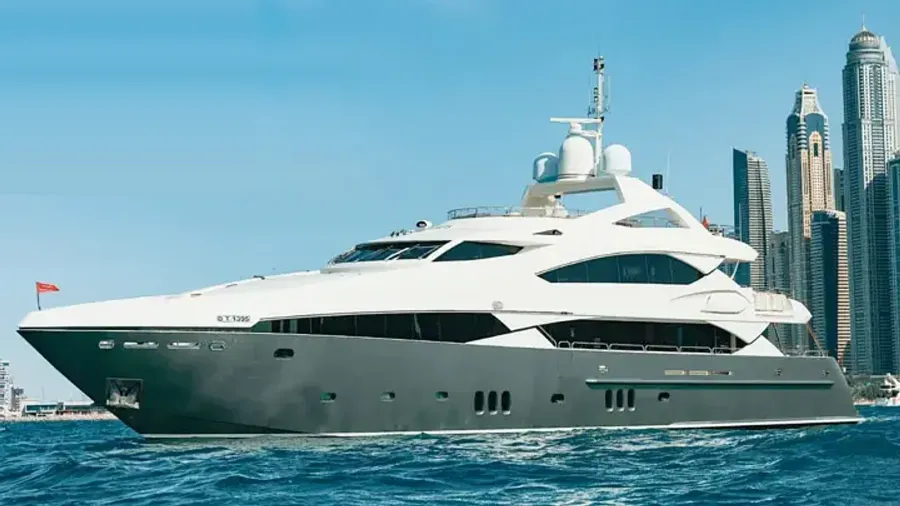
The most obvious factor is the vessel. A 40-foot motor yacht and a 90-foot superyacht are completely different propositions. Larger boats require more fuel, a bigger crew, and higher maintenance costs. They also come with more space, more cabins, and often more luxurious amenities. So the hourly rate climbs with the size and the level of finish on board.
Age and model matter too. A newer yacht with modern interiors, stabilisers, and advanced navigation systems will command a higher rate than an older model with simpler fittings. Some operators also price by the type of experience the boat is designed for. A sleek, fast vessel built for day trips may carry a different premium than a spacious cruiser built for lounging. Knowing what kind of boat you are looking at is the first step to understanding its price.
Crew and service add to the cost
Every licensed charter boat operates with a professional crew. The size of that crew depends on the vessel's capacity and the type of charter. A small motor yacht might run with a captain and a deckhand. A larger superyacht will have a captain, a chef, stewards, and possibly an engineer. Their wages, accommodation, and food are built into the charter fee.
If you want extra services like a dedicated host, a water sports instructor, or a photographer for the day, those additions raise the total payable. The more people required to deliver the experience you have in mind, the higher the cost per hour. That is why a bareboat rental (where you skipper the boat yourself) is generally cheaper, but most private charters in a city like Dubai include a full crew as standard.
Fuel and distance travelled
Fuel is a major variable. A yacht burns through a surprising amount of diesel, especially when running at cruising speed. If your plan is a gentle cruise along the coast with frequent stops, fuel consumption stays moderate. But if you want to reach a specific offshore island or cover a long stretch of coastline at speed, the fuel cost jumps. Many operators quote the hourly rate exclusive of fuel, so you need to ask whether the price includes it or not. The difference can be substantial.
Some charters include a fixed fuel allowance. Others charge you for actual consumption after the trip. Always confirm how fuel is handled in the quote you receive. If you are considering a longer outing, the fuel surcharge could turn a reasonable hourly rate into an unexpectedly large bill.
Time of day and season
Charter prices are not constant throughout the year. In Dubai, the cooler months from October to April see the highest demand. During this period, operators raise their rates because availability is limited and the weather is ideal. Summer months, though still pleasant on the water, tend to have lower demand, and you may find more negotiable rates.
Time of day also plays a role. Sunset slots are the most sought-after. Many people want to be on the water as the sun goes down, watching the sky change colours over the Arabian Gulf. That window is short and popular, so the hourly rate for a sunset charter is typically higher than for a midday booking. If your schedule is flexible, a morning or early afternoon departure can save you a noticeable amount.
Inclusions and extras
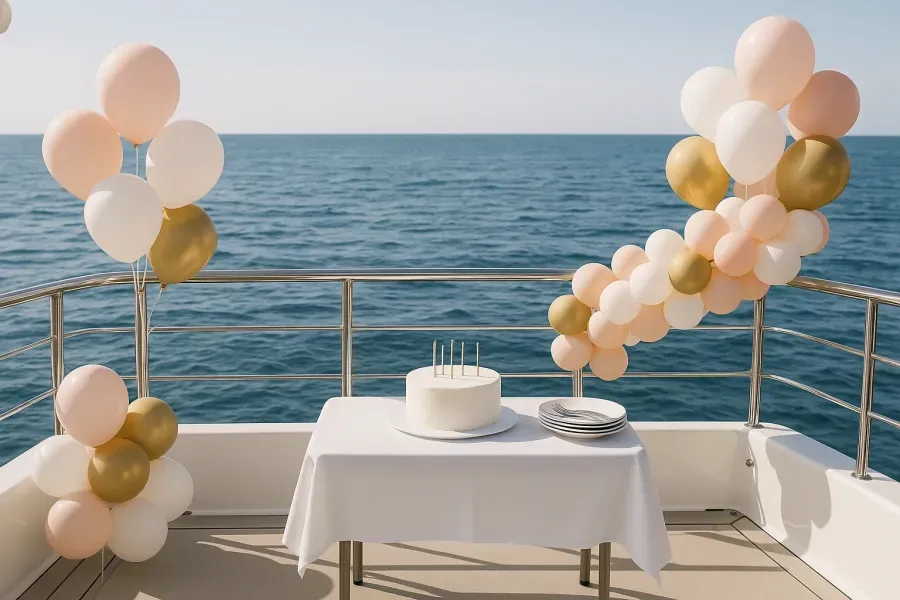
What is included in the price matters as much as the hourly rate itself. Some charter packages cover catering, soft drinks, and a basic selection of snacks. Others offer a full bar and a gourmet menu prepared by an onboard chef. The difference in inclusions can change the total payable by a wide margin. The same hourly rate might look cheap until you realise that food and drinks are extra.
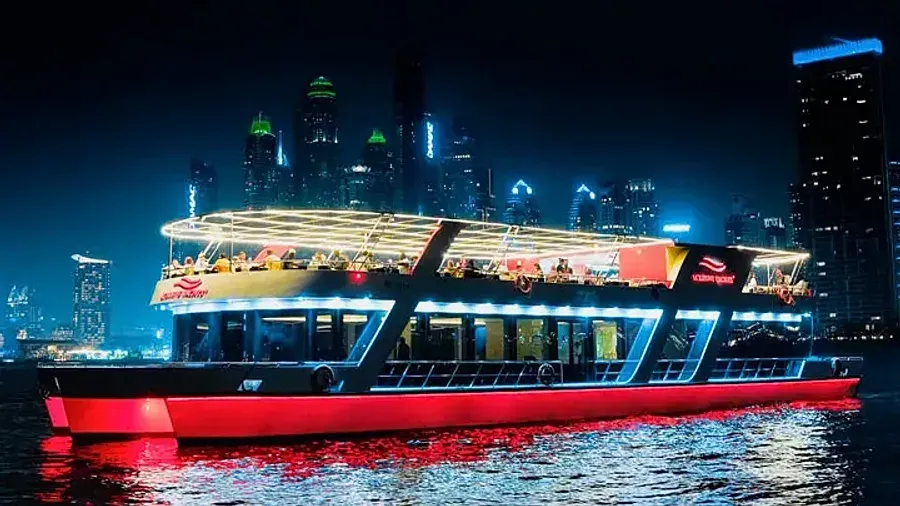
Similarly, some operators include water toys such as a jet ski, a paddleboard, or snorkelling gear in the charter fee. Others charge separately for each item. If you plan to use any of these, factor their rental cost into your comparison. The cheapest hourly rate may end up costing more once you add everything you actually want.
Booking deposit and cancellation terms
Most charter companies require a booking deposit to secure the slot. The deposit is usually a percentage of the total charter fee, and it may or may not be refundable depending on the cancellation policy. While the deposit itself does not change the price of the charter, it affects your cash flow and your risk if plans change. Some operators offer more flexible terms, which can be valuable even if the hourly rate is slightly higher.
Always read the terms before you pay. A low deposit with a generous cancellation window might suit you better than a low hourly rate with a strict no-refund policy. The total cost of the booking includes not just what you pay, but what you might lose if something comes up.
Capacity and per-person pricing
Many private charters are quoted as a flat fee for the boat, regardless of how many people come aboard. That is the most common model for hourly yacht rental. But some operators offer per-person pricing, especially for shared cruises or for smaller vessels where the fixed cost is divided among the group. Per-person pricing can look attractive on the surface, but you need to check the minimum number of passengers required. If the group is smaller than the minimum, you pay for the empty spots.
Capacity also affects the price indirectly. A boat rated for 12 guests may cost the same whether you bring 4 or 10 people. But if you exceed the certified capacity, the operator cannot accept the booking. So the price you see is for the whole boat up to its legal limit. Understanding this helps you avoid surprises when you try to add extra guests at the last moment.
Getting clear pricing for a private outing means asking the right questions before you book. The advertised hourly rate is only the starting point. Fuel, crew, inclusions, season, and time of day all shift the final figure. When you compare charters, look beyond the headline number and ask what is actually covered. A quote that seems higher at first may include everything you need, while a cheaper rate might leave you paying for each extra separately.
To get clear pricing for a private outing, request a full breakdown from the operator. Ask for the hourly rate, the fuel policy, the list of inclusions, and any additional charges for crew gratuities, dock fees, or taxes. A reputable company will provide this information without hesitation. Once you have the full picture, you can compare apples to apples and choose the charter that gives you the experience you want at a cost that feels fair.